


Nuacht
Baile / Nuacht / Nuacht Tionscal / What Is a Rotomolding RV Water Tank? Durability, Sizes, Installation, and Buying Guide
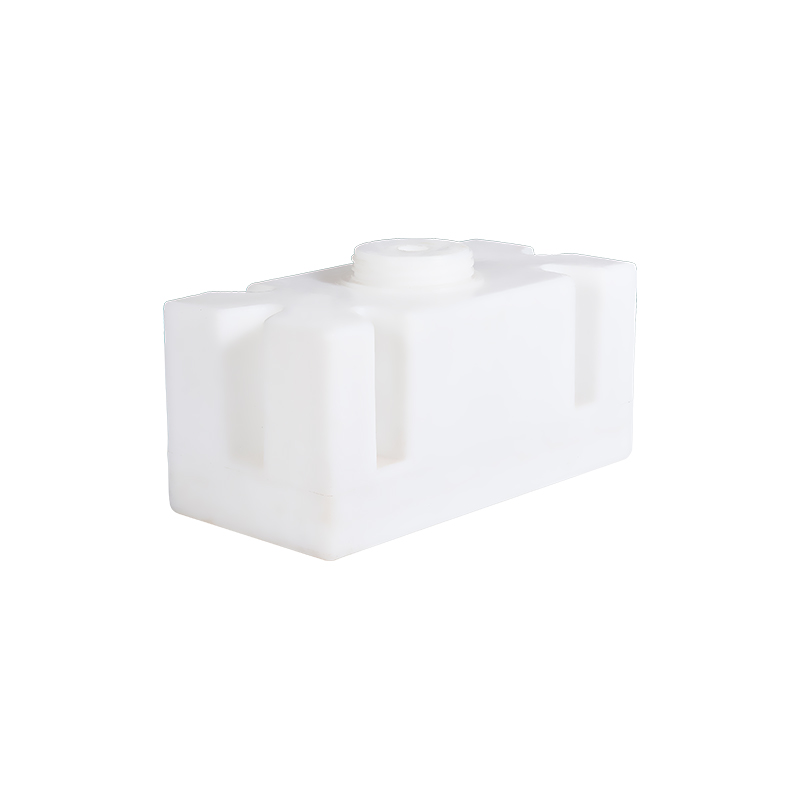
A rotomolding RV water tank is a one-piece, seamless water storage vessel manufactured through rotational molding — a process that produces hollow plastic tanks with uniform wall thickness, no joints, and no weld lines. For RV owners, this means a tank that resists cracking under road vibration, handles temperature extremes from freezing winters to desert summers, and carries potable or gray water without the structural weak points that plague fabricated or blow-molded alternatives. If you are replacing a failed tank, specifying a custom fit-out, or upgrading from a factory OEM unit, this guide covers every dimension of the decision.
Rotational molding — commonly called rotomolding or rotocasting — is a manufacturing process in which a measured charge of plastic resin (almost always cross-linked polyethylene, XLPE, or linear low-density polyethylene, LLDPE) is loaded into a hollow metal mold. The mold is sealed, moved into an oven, and rotated simultaneously on two perpendicular axes at low speed — typically 4 to 20 RPM. As the mold heats to 260–370°C, the resin melts and coats the interior cavity walls evenly. The mold then moves to a cooling station while still rotating, solidifying the plastic into a seamless shell before the finished part is demolded.
For RV water tanks specifically, this process delivers three structural advantages unavailable from competing manufacturing methods:
LLDPE and XLPE resins used in rotomolded tanks have notched Izod impact strengths of 800–1,000 J/m — among the highest of any commodity thermoplastic. In practical terms, a rotomolded RV tank can absorb gravel strike impacts, chassis flex, and the cyclical vibration of highway driving over a service life routinely exceeding 15–20 years without cracking, delaminating, or developing pinholes.
Standard LLDPE rotomolded tanks are rated for continuous service from -40°C to +60°C (-40°F to +140°F). This covers the full ambient temperature range encountered in North American RV use. However, water expands approximately 9% by volume when freezing — enough to rupture any rigid tank if completely full and sealed. Tanks with freeze-resistant geometry (thicker walls, slight flexibility, and drain-capable fittings) tolerate one or two freeze events, but no plastic tank should be left full and sealed through a hard freeze without a pressure-relief drain path open.
Exposed rotomolded tanks are compounded with UV stabilizers and carbon black at 2–2.5% loading — a concentration proven to provide 10+ years of outdoor UV resistance without surface chalking or embrittlement. For potable water tanks, food-grade LLDPE resin is used exclusively; these compounds are FDA 21 CFR compliant and contain no plasticizers, BPA, or heavy-metal stabilizers that could leach into drinking water.
| Property | Rotomolded LLDPE | Blow-Molded HDPE | Fiberglass (FRP) | Stainless Steel |
|---|---|---|---|---|
| Seams / Welds | None | Parting line seam | Laminate joints | Welded seams |
| Impact Resistance | Excellent | Good | Moderate (brittle) | Good |
| Custom Shape Flexibility | Very High | Low | High | Moderate |
| Potable Water Safe | Yes (FDA grade) | Yes | Depends on liner | Yes (316L grade) |
| Weight (relative) | Light | Light | Light–Moderate | Heavy |
| Typical Service Life | 15–20+ years | 8–12 years | 10–15 years | 20–30 years |
| Relative Cost | Moderate | Low | Moderate–High | High |
RV water systems use three distinct tank types, and rotomolded tanks serve all three — but specifications differ by application:
Must be manufactured from food-grade FDA-compliant resin — typically natural (unpigmented) or white LLDPE with no recycled content. Tanks should be marked with NSF/ANSI 61 certification or equivalent for potable water contact. Fittings must also be food-grade rated. Standard RV fresh water tank capacities range from 20 gallons (Class B vans) to 100+ gallons (Class A motorhomes and fifth wheels).
Collect wastewater from sinks and showers — non-potable but not sewage. Can be manufactured from standard (non-food-grade) polyethylene, though many manufacturers use the same food-grade resin throughout for supply chain simplicity. Gray tanks typically run 30–50% larger than fresh water tanks on the same RV, as they accumulate water from multiple daily use sources.
Toilet waste holding tanks. Rotomolded construction is especially valuable here because the seamless interior surface resists the biological adhesion and odor infiltration that plagues fabricated tanks with weld ridges and joint gaps. Black tanks should incorporate integrated baffles to prevent waste sloshing during transit — a feature easily built into rotomolded geometry during tooling design.
Rotomolded RV water tanks are available in both standard catalog sizes and fully custom geometries. Key sizing parameters:
| RV Class | Typical Fresh Tank (gal) | Typical Gray Tank (gal) | Typical Black Tank (gal) | Full Fresh Tank Weight (lbs) |
|---|---|---|---|---|
| Class B (Van) | 20–30 | 20–30 | 10–15 | 167–250 |
| Class C | 40–60 | 40–60 | 30–40 | 334–500 |
| Class A Motorhome | 80–100+ | 50–80 | 40–50 | 667–835+ |
| Travel Trailer | 30–50 | 30–45 | 30–40 | 250–417 |
| Fifth Wheel | 50–80 | 50–70 | 40–60 | 417–667 |
Tank replacement is one of the most common RV maintenance projects undertaken by experienced DIYers. The process varies by vehicle, but the general sequence applies across most Class C and travel trailer installations:
Total installation time for a straight tank swap on a travel trailer: 3–6 hours for an experienced DIYer. Class A motorhome installations involving belly pan removal can extend to a full day.
Sanitize the fresh water tank at the start of each season and after any period of non-use exceeding 4 weeks. The standard RV industry protocol uses ¼ cup of household bleach (5.25% sodium hypochlorite) per 15 gallons of tank capacity, diluted in water, circulated through all lines, and left to dwell for 4–12 hours before draining and flushing with fresh water. This eliminates biofilm, algae, and bacterial colonies that accumulate in stagnant water regardless of tank material.
Before temperatures drop below freezing, drain the fresh water tank completely — including the low-point drains — and either blow out all lines with compressed air or add RV-grade antifreeze (propylene glycol, not automotive ethylene glycol) to all traps and low points. A rotomolded tank that is fully drained can withstand sustained sub-freezing temperatures indefinitely; the risk of freeze damage applies only when residual water is trapped.
OEM replacement tanks from the original RV manufacturer guarantee dimensional compatibility but are often 40–80% more expensive than equivalent aftermarket rotomolded tanks and may have long lead times on older models. Aftermarket catalog tanks from suppliers such as Ronco Plastics, JME Tanks, or specialty RV parts distributors cover the majority of popular RV floor plans at significantly lower cost. Custom rotomolded tanks — ordered directly from a rotomolding fabricator with your measured dimensions — make economic sense when your tank profile is non-standard, your floor plan is unusual, or you want to increase capacity beyond OEM specification.
For fresh water tanks, require written confirmation from the supplier that the tank is manufactured from NSF/ANSI 61-listed or FDA 21 CFR-compliant food-grade resin. This is not a premium specification — it is a baseline safety requirement for any tank carrying drinking water. Suppliers who cannot provide resin certification documentation should be disqualified regardless of price.
Minimum acceptable wall thickness for an RV fresh or gray water tank is 3mm (⅛ inch); quality tanks for undercarriage-mounted applications specify 4–6mm. Ask for the wall thickness specification in writing — some low-cost catalog tanks achieve light weight through wall reduction rather than efficient design, compromising durability.
Confirm that the replacement tank's fitting locations — fill port, outlet, vent, and drain — align with your existing plumbing without requiring hose extensions or rerouting. A tank that requires adding 18 inches of unsupported hose to reach an outlet fitting introduces flex fatigue failure risk at the connection points. The ideal replacement tank matches the OEM fitting pattern exactly or improves on it.
Reputable rotomolded RV tank manufacturers offer 5-year minimum warranties against manufacturing defects; premium brands extend to 10 years. Warranty coverage should explicitly include seam integrity (confirming the seamless construction claim) and resin delamination. Warranties that exclude "consequential damage" — meaning water damage to the RV interior from a leaking tank — are standard and acceptable; warranties that exclude the tank body itself under normal operating conditions are not.
Full-time RVers and boondockers — travelers who camp without hookups — place significantly higher demands on their water systems than occasional campers. For this use case, rotomolded tanks offer specific advantages:
For serious off-grid builds, specifying a rotomolded tank with integrated internal baffles, minimum 5mm wall thickness, and recessed fittings protected from ground strike provides the durability margin that extended backcountry travel demands.







 sráidbhaile wuyuqiao, Baile Henghe, Cathair Cixi, Cúige Zhejiang
 +86-15257871220
 [email protected]
